Recycling and Sustainability at Self Storage Earls Court
 At Self Storage Earls Court, sustainability is built into the way the site operates every day. Our approach to self storage recycling focuses on reducing waste, reusing materials where possible, and supporting a cleaner local environment for customers, neighbours, and the wider community. We aim to create a practical, low-impact storage service that reflects the environmental priorities of west London.
One of our clearest goals is a recycling percentage target that keeps improving year on year. We work toward diverting as much waste as possible away from landfill by separating cardboard, paper, plastics, metals, wood, and reusable materials before they leave site. This measured approach helps us track performance, improve recycling rates, and support a more circular economy. For a busy self storage Earls Court operation, that means everyday decisions are made with resource efficiency in mind.
We also recognise that local waste systems matter. In the boroughs around Earls Court, waste separation is taken seriously, with different collections and expectations for mixed recycling, food waste, garden waste, and general refuse. By aligning our processes with these borough-led approaches to waste separation, we make sure the materials leaving our facility are sorted responsibly. That includes careful handling of packaging from stored goods, office recyclables, and items recovered during clear-outs or unit changes.
Responsible Waste Handling and Local Transfer Stations
To keep disposal efficient and environmentally aware, Self Storage Earls Court uses local transfer stations where waste and recyclables can be sorted and moved into the correct downstream channels. Using nearby facilities cuts unnecessary mileage, keeps collections local, and supports quicker processing of recoverable materials. This is especially important in an urban area where transport emissions and congestion can quickly add to a service’s footprint.
 The transfer station route is part of a broader commitment to a low-waste storage model. Instead of sending mixed material straight to landfill, items are first separated to capture what can be recycled or repurposed. Cardboard from deliveries, shrink wrap, shelving components, metal fittings, and wooden packing materials are all assessed carefully. Where suitable, these are directed into recycling streams rather than being treated as residual waste.
We also support the practical side of sustainability through regular internal checks. Staff review waste types, look for contamination issues, and improve segregation methods where needed. That might mean adjusting the way broken pallets are collected, grouping plastics by type, or ensuring paper and cardboard stay dry and clean. These small actions can make a significant difference to the quality of recycled output and to our recycling performance overall.
Charity Partnerships and Reuse
 A major part of sustainable storage is giving usable items a second life. That is why Self Storage Earls Court maintains partnerships with charities and reuse-focused organisations that can redistribute furniture, household goods, office equipment, and other items that are still in good condition. Rather than disposing of everything at the end of a storage journey, we encourage a reuse-first mindset wherever possible.
These partnerships are particularly valuable during customer moves, downsizing projects, estate clearances, and business changes. Items that no longer fit one customer’s needs can often help another organisation deliver community benefit. By directing suitable goods into charitable channels, our recycling and sustainability approach goes beyond waste reduction; it actively supports social value, too.
We also make careful distinctions between materials that can be reused, repaired, or recycled. For example, if furniture has minor wear but is structurally sound, it may be better suited to donation than dismantling. If it is beyond reuse, components may still be recovered as timber, metal, or mixed-material recycling. This layered approach supports better outcomes than treating every item as general waste.
Low-Carbon Vans and Lower-Emission Operations
Transport is another key part of our sustainability work. Self Storage Earls Court uses low-carbon vans wherever practical to reduce emissions associated with collections, deliveries, and local site movements. By choosing vehicles with improved fuel efficiency and lower emissions profiles, we help lower the carbon intensity of everyday operations.
These vehicles play an important role in keeping services flexible while still prioritising environmental responsibility. Whether moving recycling loads to a transfer station, transporting reusable items to charity partners, or managing operational materials between locations, low-emission transport helps reduce the overall footprint of the business. For an inner-west London storage site, this is a meaningful step toward cleaner logistics.
Alongside vehicle choices, route planning also supports sustainability. Shorter journeys, fuller loads, and fewer unnecessary trips all contribute to lower fuel use. Where possible, we combine collections and deliveries to make the most of each journey. This practical approach keeps the service responsive while supporting our green self storage Earls Court commitments.
Working with the Area’s Recycling Culture
Local environmental habits matter in shaping our approach. Around Earls Court, borough recycling schemes often encourage residents and businesses to separate paper and card, plastic bottles, cans, glass, food waste, and non-recyclable waste. We reflect that same logic in our own waste handling, using clear separation streams and simple internal checks that mirror the standards already expected across the area.
That borough-led culture of sorting helps strengthen the wider recycling system. Clean, well-separated materials are more likely to be recovered successfully, while contamination can reduce the value of recyclable loads. By keeping our own processes aligned with local waste separation expectations, Self Storage Earls Court supports better recycling outcomes and a more resilient local waste network.
We also keep sustainability visible in the everyday running of the site. From reducing single-use materials in operations to selecting reusable packing inputs where appropriate, the team looks for practical ways to lower waste. This is not about grand gestures; it is about consistent, responsible habits that add up over time.
A Long-Term Commitment to Sustainable Self Storage
 Our recycling and sustainability strategy is designed to evolve. As new recycling options, cleaner transport technologies, and better reuse networks become available, Self Storage Earls Court will continue to improve. The aim is simple: increase our recycling percentage target, reduce emissions, and keep valuable materials in use for longer.
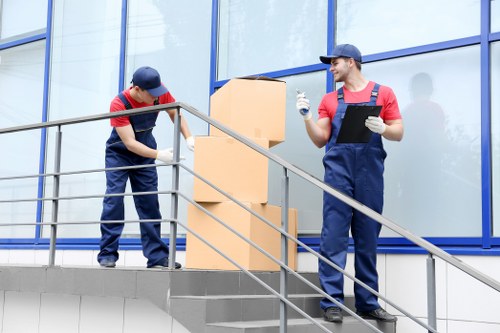 In practice, that means a storage service that is efficient, community-minded, and environmentally aware. With local transfer stations, partnerships with charities, and low-carbon vans all working together, Self Storage Earls Court shows how sustainable storage in Earls Court can be both practical and forward-looking. By focusing on reuse, responsible disposal, and smarter logistics, we help support a cleaner and more resource-conscious London.